How To Estimate Monthly EMI Before Buying With A Credit Card
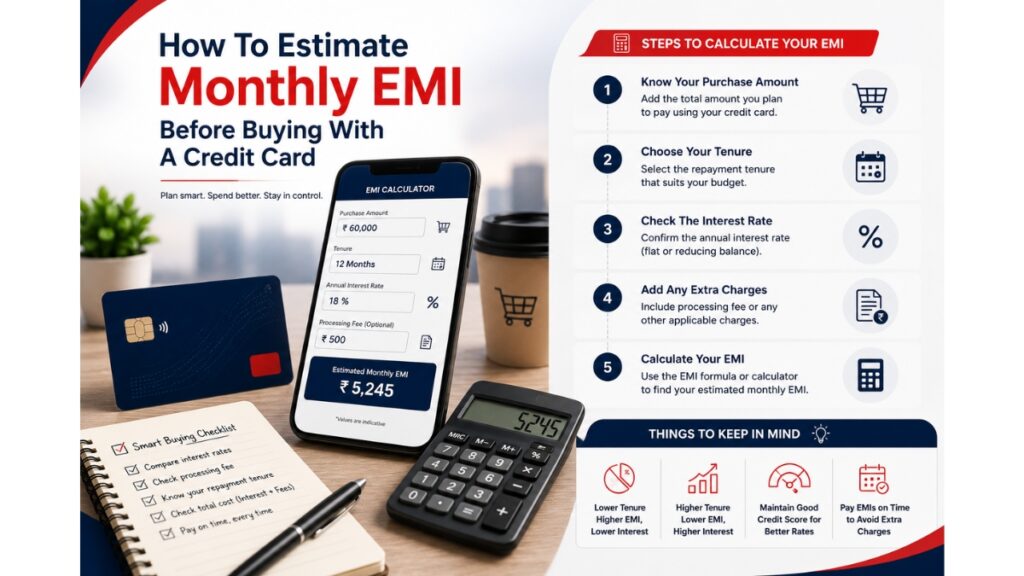
New Delhi [India], July 29: An EMI calculator for credit card purchases helps you see the monthly amount before you convert a transaction into instalments. This is useful for appliances, phones, furniture, travel bookings or other planned spends where paying the full amount immediately may not suit the monthly budget.
Equated Monthly Instalment (EMI) is not good or bad by itself. It is a repayment structure. The decision depends on the purchase amount, tenure, interest rate, processing fee, taxes and cash flow.
The calculator brings these parts into one view. Once the numbers are visible, you can decide whether to convert, choose a shorter tenure or pay in full.
Key Takeaways
- An EMI calculator shows the monthly outflow before conversion.
- Tenure changes both affordability and total interest.
- Processing fees and Goods and Services Tax (GST) should be included in the estimate.
- EMI works better for planned spends than impulse purchases.
How The Calculator Works
The calculator usually asks for the purchase amount, interest rate and tenure. Some tools also allow processing fees and taxes to be added. Based on these inputs, it shows the estimated monthly instalment and total repayment.
Start with the purchase price. Add any delivery charge, installation charge or accessory cost that will be billed to the card. Then select the tenure. Enter the interest rate shown in the offer and add the processing fee if available. If the calculator allows tax inputs, include GST on applicable charges.
What Inputs Should Be Ready
Keep the purchase amount, rate, tenure, processing fee and tax details ready before using the calculator. If the seller shows only the monthly instalment, ask for the total payable amount. This helps compare EMI with full payment in a practical way.
Types Of EMIs
A standard EMI has interest charged on the converted amount. A no-cost EMI may show zero interest to the customer, but the benefit can depend on merchant subsidy, product pricing or foregone discounts. The user should compare the final payable amount in both cases.
There is also post-purchase conversion, where an eligible transaction is converted after the purchase through the card app or bank channel. Availability, rate and fees depend on the issuer and the transaction.
Compare EMI With Paying In Full
EMI is useful when spreading the outflow protects liquidity. Paying in full is useful when the user has enough funds and wants to avoid additional cost. The comparison should include any discount that is available only on full payment, and any benefit available only on EMI.
A neutral decision comes from comparing total payable amount, not from assuming one route is better. For some purchases, EMI gives breathing room. For others, full payment may be cleaner.
Do Not Compare Only The Monthly Number
A lower instalment can make the purchase feel affordable, but a longer tenure may increase total interest. A higher instalment may reduce total cost but put pressure on the monthly budget. The calculator helps balance both sides: affordability today and total cost over the tenure.
Example With Numbers
Assume a user buys a refrigerator worth ₹48,000. A 6-month option may have a higher monthly EMI but lower total interest. A 12-month option may reduce the monthly amount but increase the total cost. Neither option is automatically better.
The right choice depends on monthly affordability. If the 6-month payment strains the budget, the 12-month option may be more manageable. If cash flow is strong, paying in full or choosing a shorter tenure may work better.
Match EMI With Monthly Cash Flow
The instalment should fit into the monthly budget after regular expenses. Rent, school fees, insurance, investments and other loan payments should be counted first. If the EMI fits only by cutting essential savings, the tenure or purchase size may need another look. A calculator is useful because it shows this pressure before the bill is created.
Use It Before Checkout
The best time to use the calculator is before checkout, not after the purchase has already been made. Comparing two tenures before paying gives more control. It also helps the user decide whether to delay the purchase, reduce the ticket size or choose another repayment route.
What To Check After Conversion
Once the purchase is converted, track the first statement carefully. Check whether the EMI amount, fee and tax match the offer shown. Keep the due date in mind because missed payments can affect the account and add charges.
If you need a card mainly for EMI flexibility, compare charges and conversion options before you hit the credit card apply online button. The card should match the kind of purchases you expect to make.
Conclusion
A calculator does not decide for you. It gives the numbers so you can decide with less guesswork. Check the monthly payment, total interest, fees, taxes and tenure before converting. A good EMI decision is one that keeps the purchase manageable without stretching future bills.
If you object to the content of this press release, please notify us at [email protected]. We will respond and rectify the situation within 24 hours.